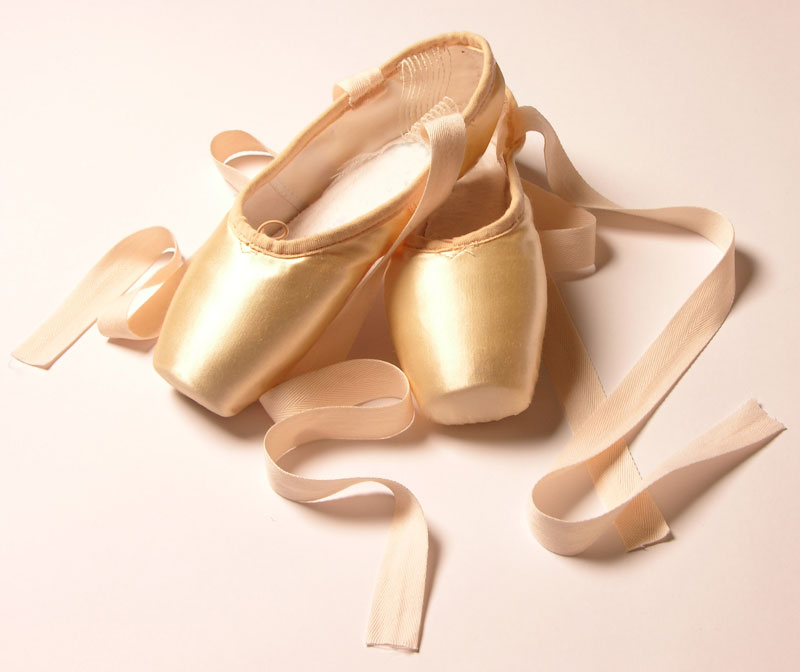
 Ballet has always been my favorite form of dance. When I was a little girl, it made me feel like a princess, and as I got older, the grace and beauty that I saw made me want to be just like Suzanne Farrell, Julie Kent, Darcey Bussell, and Sylvie Gulliem. Suzanne Farrell was my favorite ballerina which is probably why I have a soft spot for the New York City Ballet. I was lucky enough to take class from her during a Paul Taylor Dance Intensive and she was one of the most inspirational people I have ever had the privilege to learn from in a classroom. Her expressionism and the way she describe movement and music when we were learning excerpts from Paul Taylor’s ‘Airs’ was like listening to a fairytale. She had a way of describing a dance like it was a story and that as dancers we need to dive into the work mind, body, and soul because if we didn’t the audience would not engage. I think Ballet teaches dancers to have this type of attitude in the classroom, and it continues to carry over to other styles of dance as well as on stage as young dancers grow as artists.
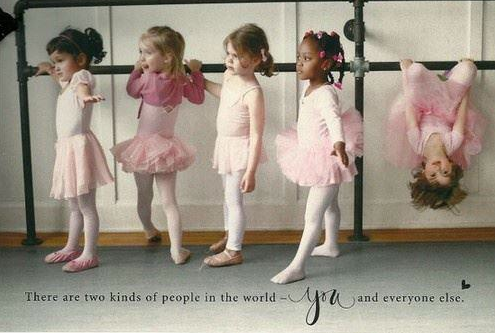
Now as an adult and teaching ballet to students three to nine years old, I am working on instilling those same thoughts and mind-sets to my students. I have taught all ages of students over the years, but having students from the beginning of their ballet days is the perfect opportunity to mold new dancers to have the correct habits from the right form of technique to the mind-set of dedication, discipline, and determination. Teaching kids can be hard. All they want to do is run around and yell since their attention span is two seconds. I have learned that you have to turn everything into a game and use descriptive words that relate to animals or images that they know.
There is one girl who is nine that I have been teaching for the last four years and it is amazing how her technique has grown from her turning ability, the strength of her balances, and the way she carries her balletic style. She has now started taking tap and jazz classes with me this year, and through ballet she has developed the skills to catch on quickly to new movement, knows the importance of her shifting weight, and brings confidence when she is learning new steps.
I wish I could say that I came to the importance of ballet when I was a kid, but I can honestly tell you that I didn’t really understand the importance of ballet until college. My biggest suggestion to every dancer out there is to never stop taking ballet. It gives you the skills such as a strong core, arms, and legs as well as develops a support system within your body that can carry into other styles. No matter how hard a ballet class is, as a dancer you need to fight everyday to be better. Ballet makes you do the impossible, and with practice, makes the viewer think that the movement is possible by anyone. So fight for that better balance, that longer arabesque, or that perfect pirouette. Take a ballet class at least once a week and if you can’t afford it, give yourself one by taking a video or a book out of the library, or find someone you know and give each other class. In the words of Suzanne Farrell, “You don’t learn from a situation where you do something well. You enjoy it and you give yourself credit, but you don’t really learn from that. You learn from trial and error, trial and error, all the time.”
 Dancing In Tune